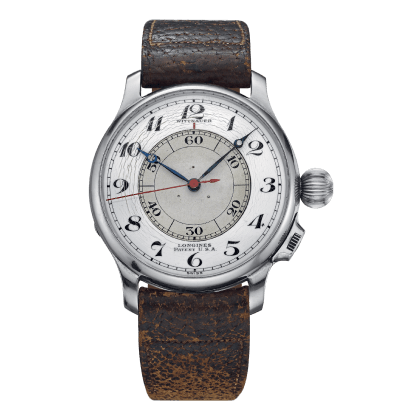
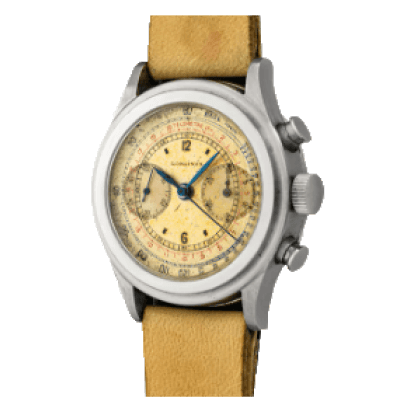
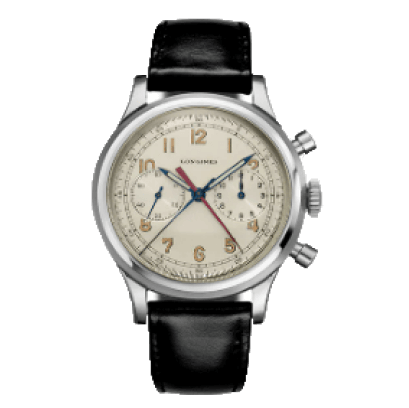
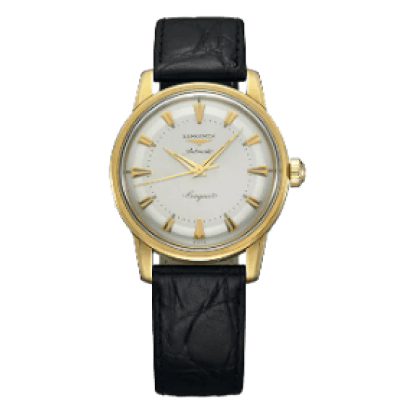
Since its beginning in 1832, LONGINES is characterized by a pioneer spirit. It was always pushing to improve the accuracy, precision and functionality of its watches. The result was utterly pioneering watchmaking.
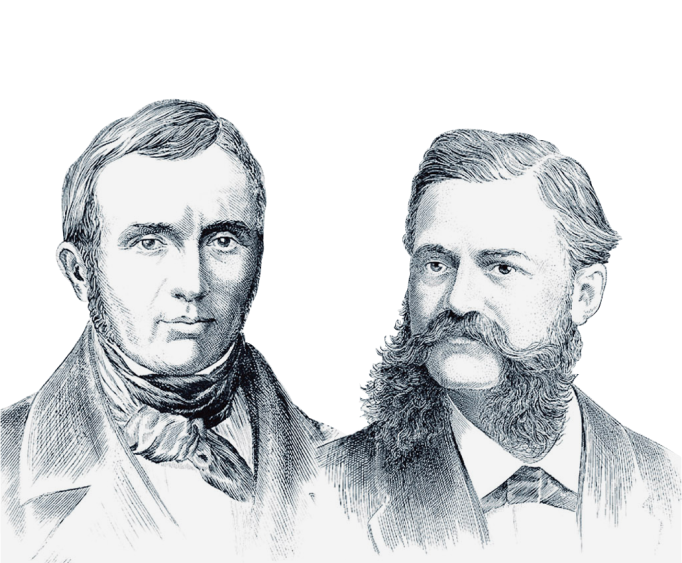
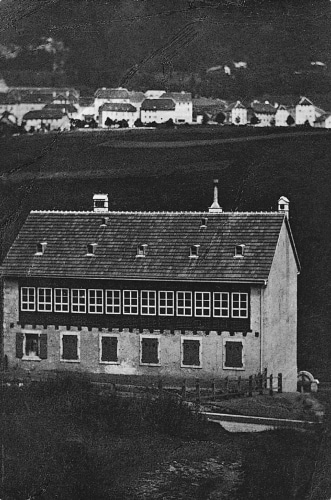
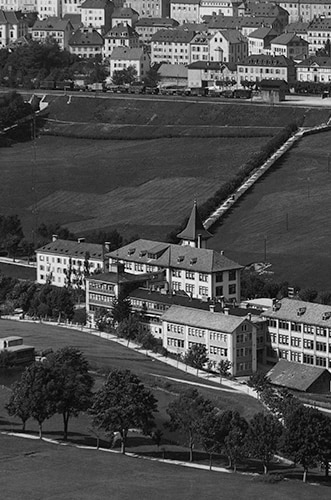
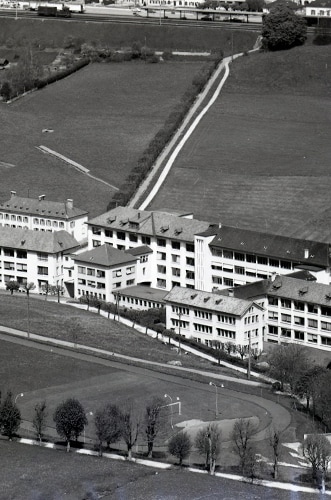
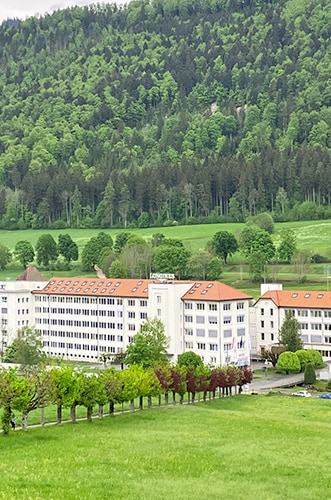
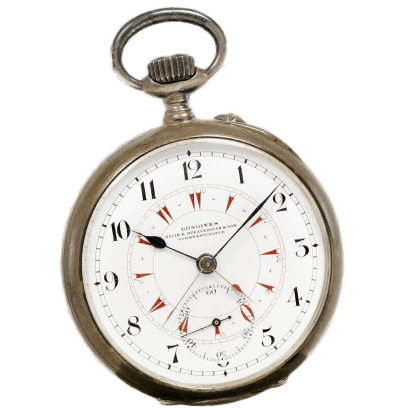
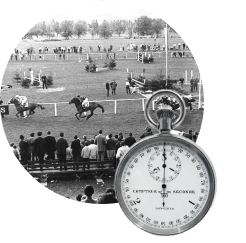
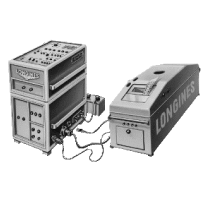
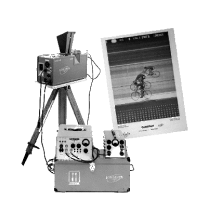
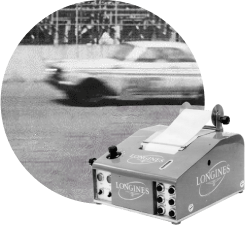
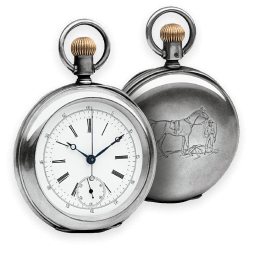
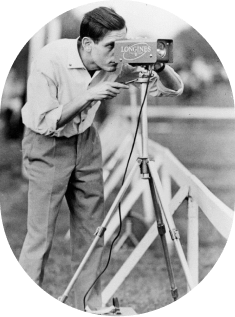
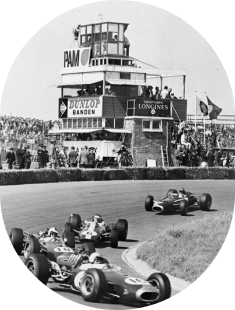
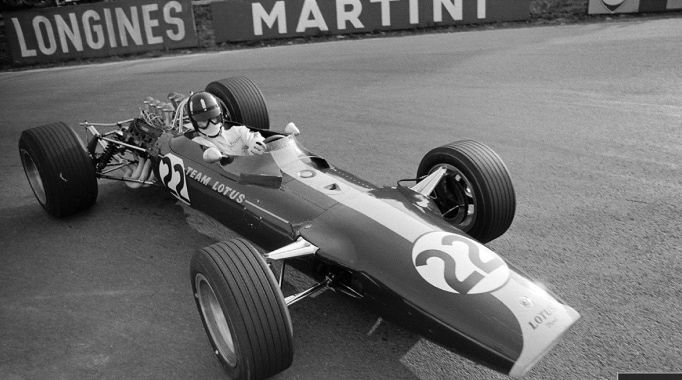
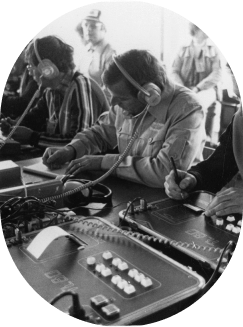
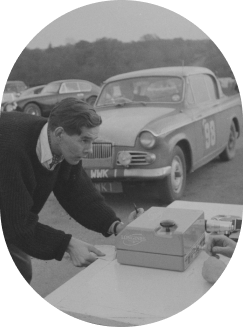
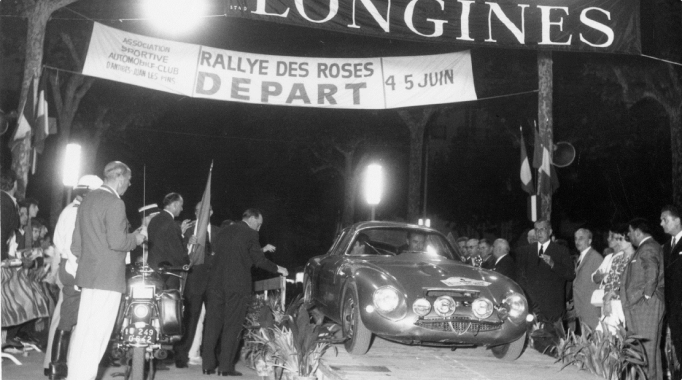
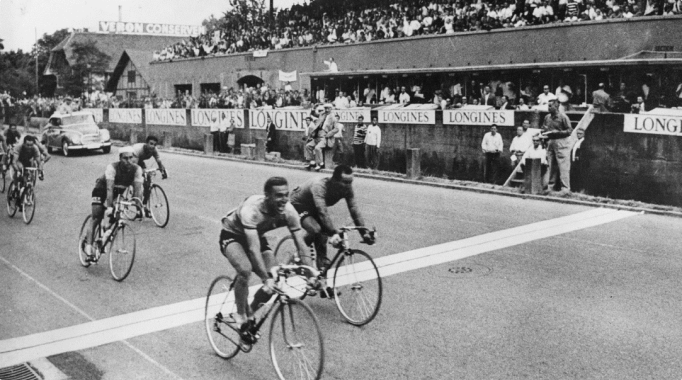
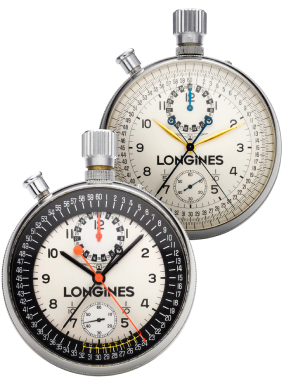
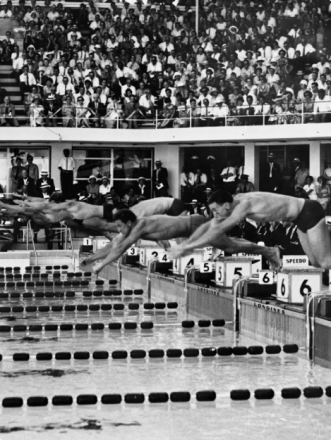
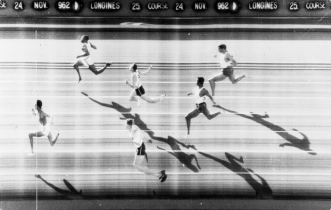
Founded in 1832 in Saint-Imier, a town in Swiss Jura mountains, LONGINES developed, as early as 1878, its first instrument for timing sport events: a chronograph pocket watch with a monopusher crown. Some years later, in 1889, LONGINES was already able to measure to 1/5 of a second. The 1880s marked the start of LONGINES glorious history of sports timing at horse racing events in the United States. By working as a professional timekeeper of sporting events in nearly all disciplines and as a manufacturer of instruments for professionals like pilots, navigators, explorers and sportsmen,
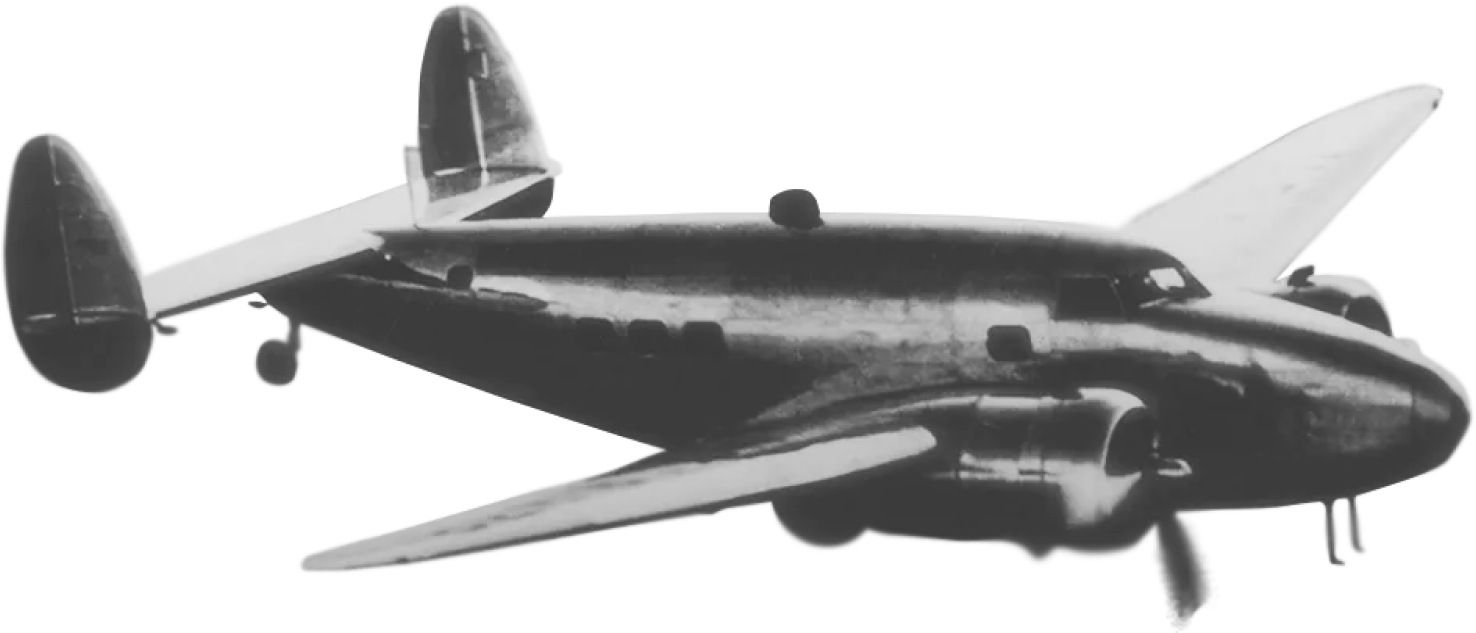
The following chapters give you some insights in the adventures of pioneers that trusted the precision timing of LONGINES. These timepieces were not built to make headlines in newspapers, but simply to answer the needs of aviators or explorers searching the very best tools available in those days. To be a pioneer was – and still is – first of all a state of mind. The courageous personalities portrayed in our booklet share the same mental power that enables them to overcome any obstacles and boundaries.
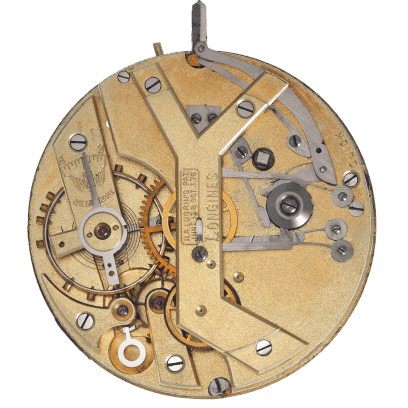
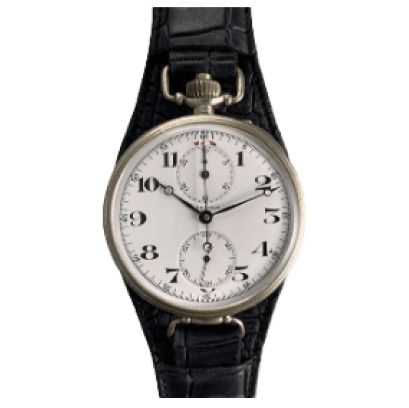
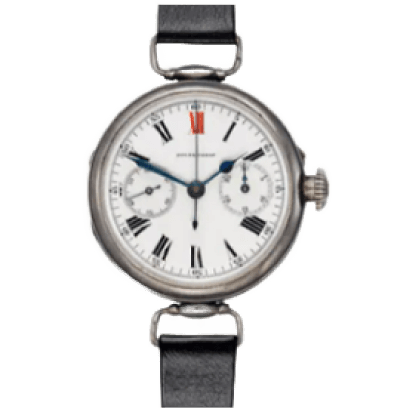
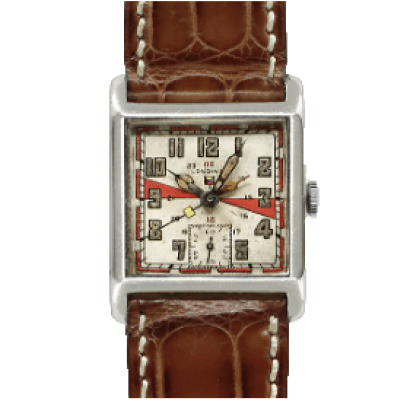
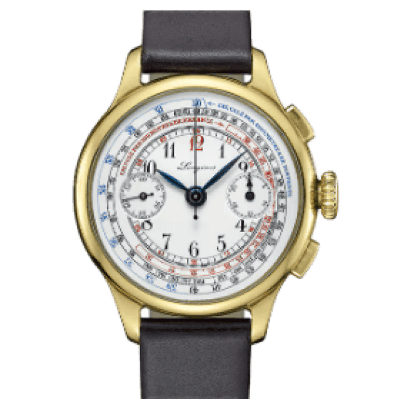
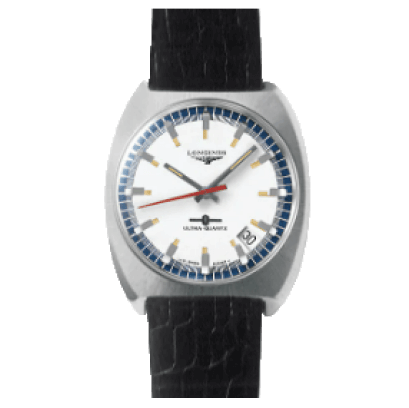
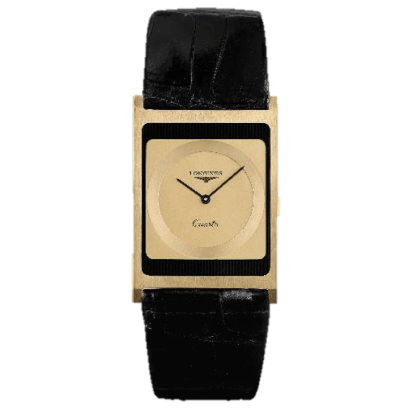
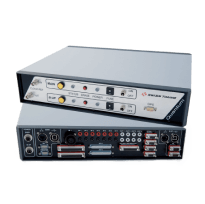
LONGINES learnt a lot by working on professional timepieces, eventually transferring its know-how to wristwatches. To do so, the heart of the watch – the movement – often needed to be redesigned and miniaturised. Our watchmakers truly blazed the trail, manufacturing the first wrist chronograph in 1913, the first high-frequency pocket chronograph ticking at 36,000 beats an hour in 1910 (cal. 18.72), the world’s first wristwatch with rotating bezel in 1931 and patented the world’s first flyback- chronograph in 1936. To improve the precision of timing sports events, in 1954 LONGINES introduced the electronic quartz-clock. Using this know-how, our watchmakers launched one of the first quartz-wristwatches in 1969.
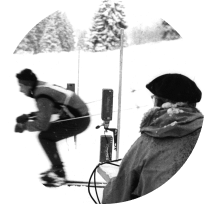
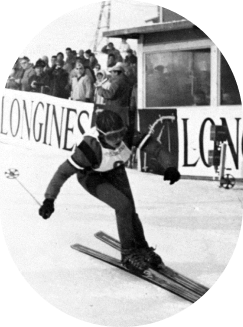
With generations of experience as Official Timekeeper of World Championships, and as partner of International Sports Federations, LONGINES has built strong and long-lasting relationships in the world of sport over the years. These challenges keep the drive for innovation and the pioneering spirit very much alive.